
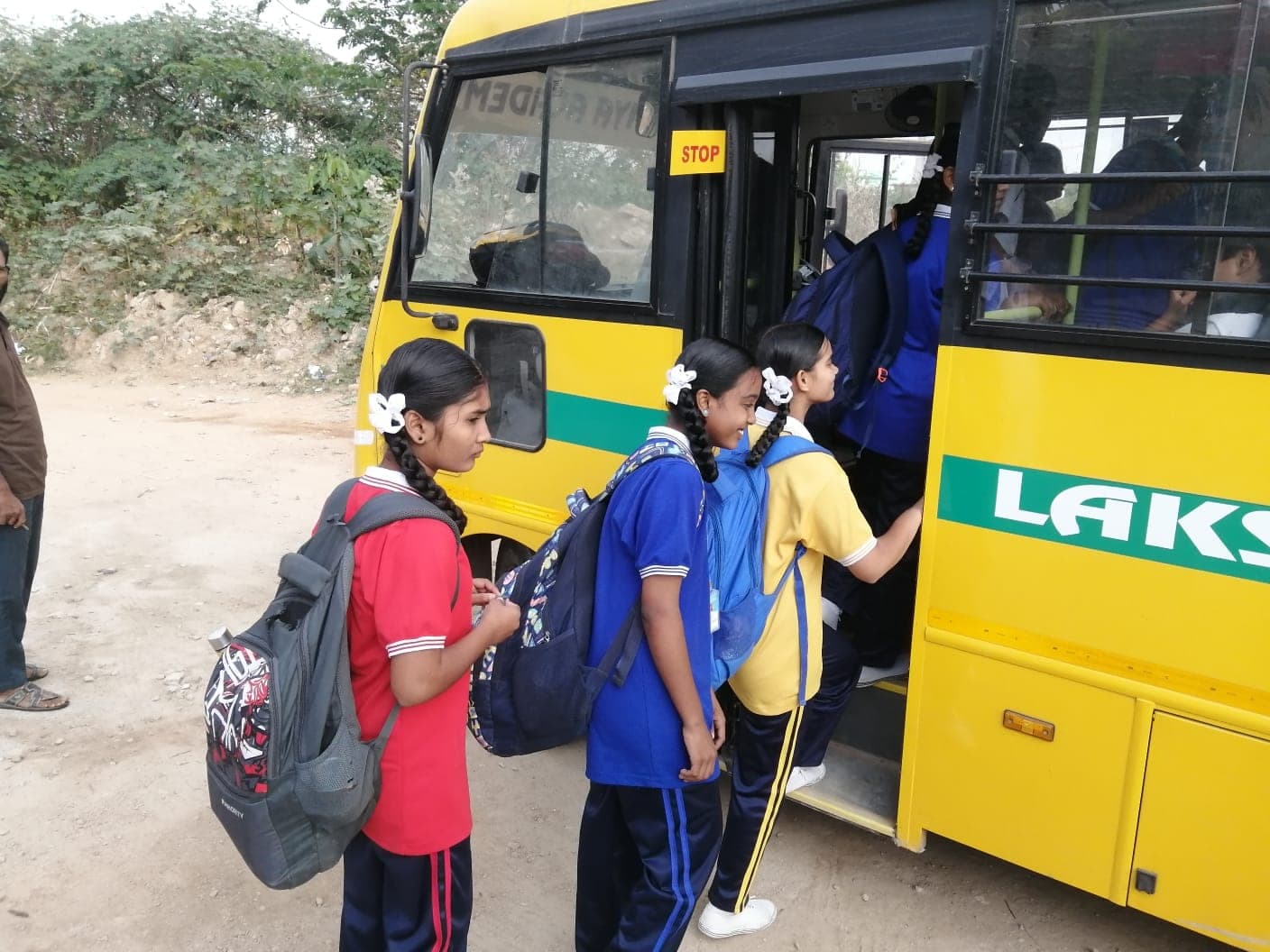
7:00 am
The bus comes early
Uniforms pressed, bags packed, hair tied. The school bus pulls up at the end of the road and the day begins.
Hennur, Bangalore
Shalom Children's Home gives thirty children a bed, three meals, a school uniform and a family-and reaches fifty-seven more through tuition centres in the villages around us.
30
Children call Shalom home
Boys and girls, aged six to eighteen
57
Learn at village tuition centres
After-school teaching, books and supplies
48
Years since the first promise
Made in Bangalore in 1978
We provide shelter, food, education and medical care.
Our work reaches past our own gate-into villages, where children who would otherwise fall behind get the teaching and the supplies they need to keep up. Every part of it is rooted in the same conviction: that a child given care, consistency and a chance will take it.
A day at Shalom
Uniforms pressed, bags packed, hair tied. The school bus pulls up at the end of the road and the day begins.
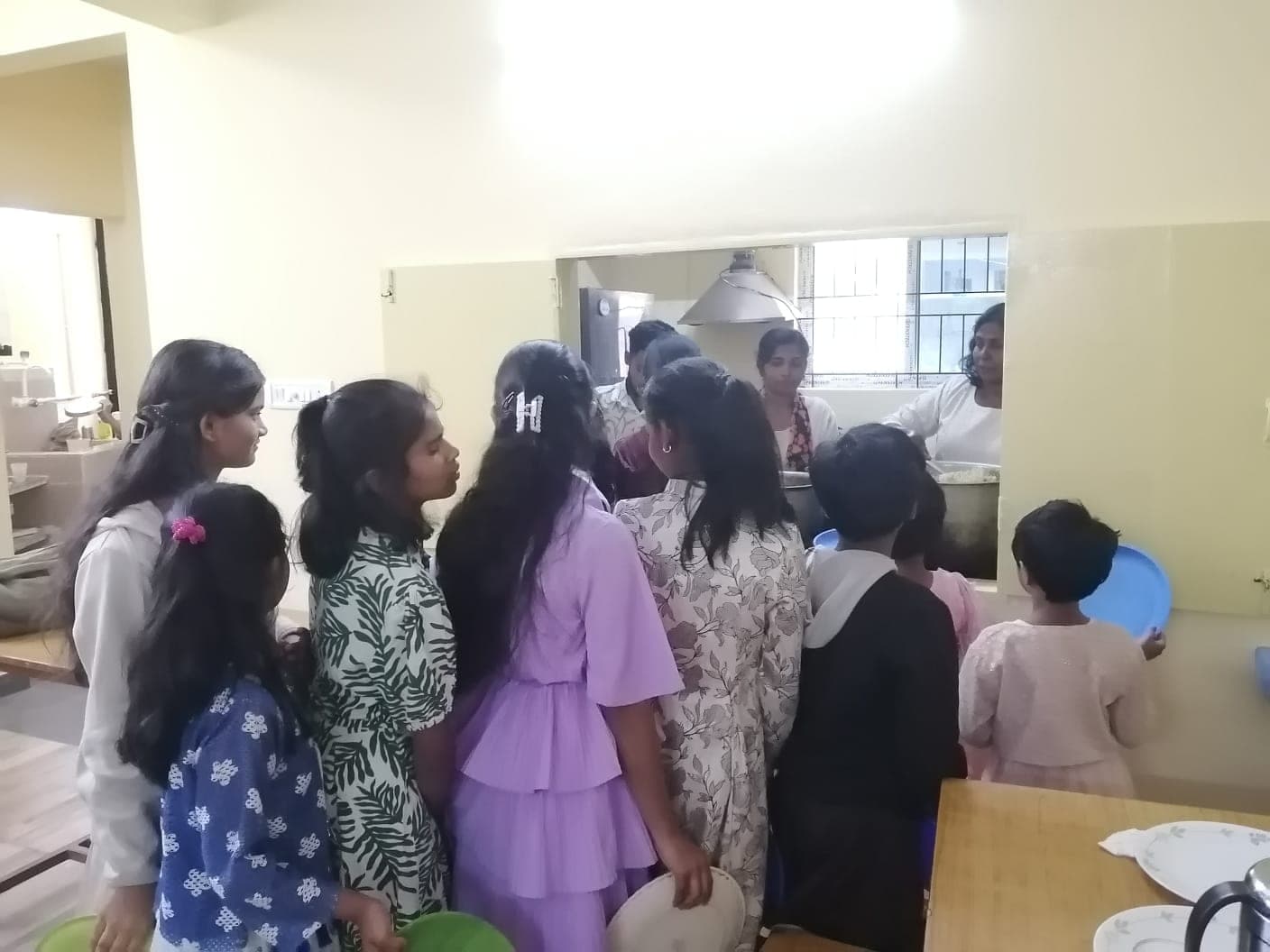
Rice and curry, cooked here in our own kitchen. Everyone queues, everyone eats, nobody goes without.
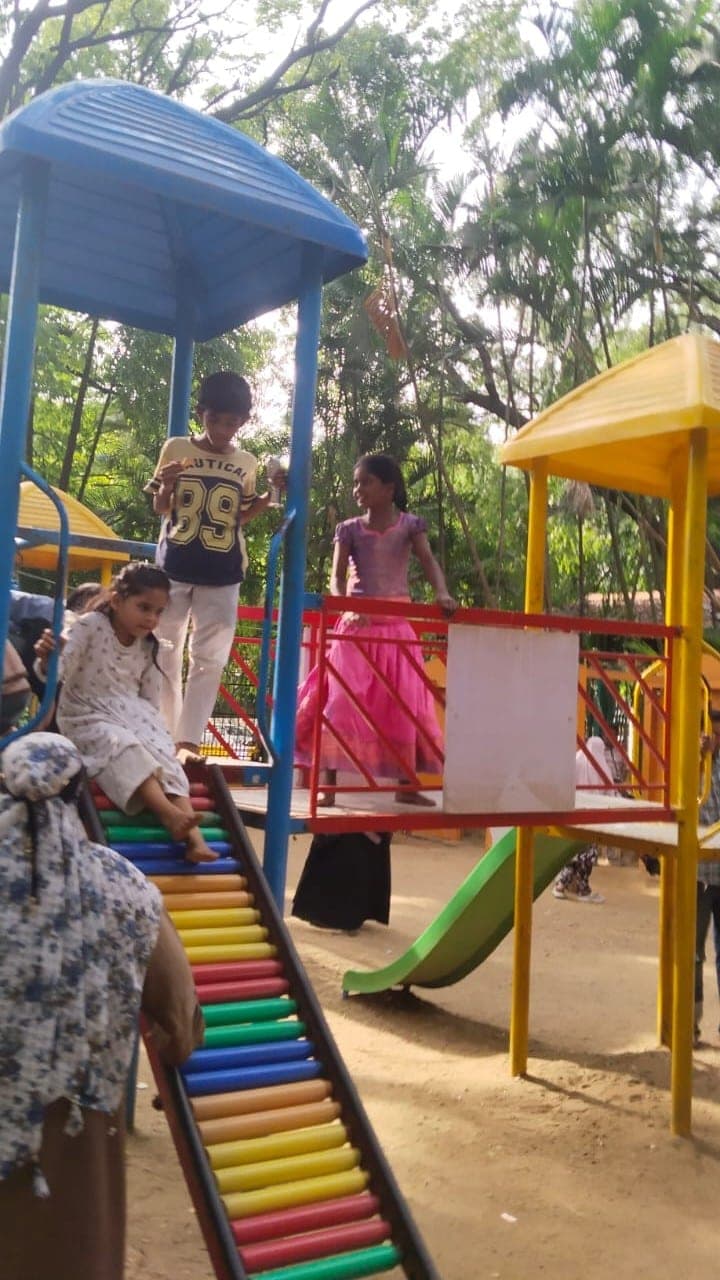
Books first. Then the part of the day they have been waiting for since breakfast.
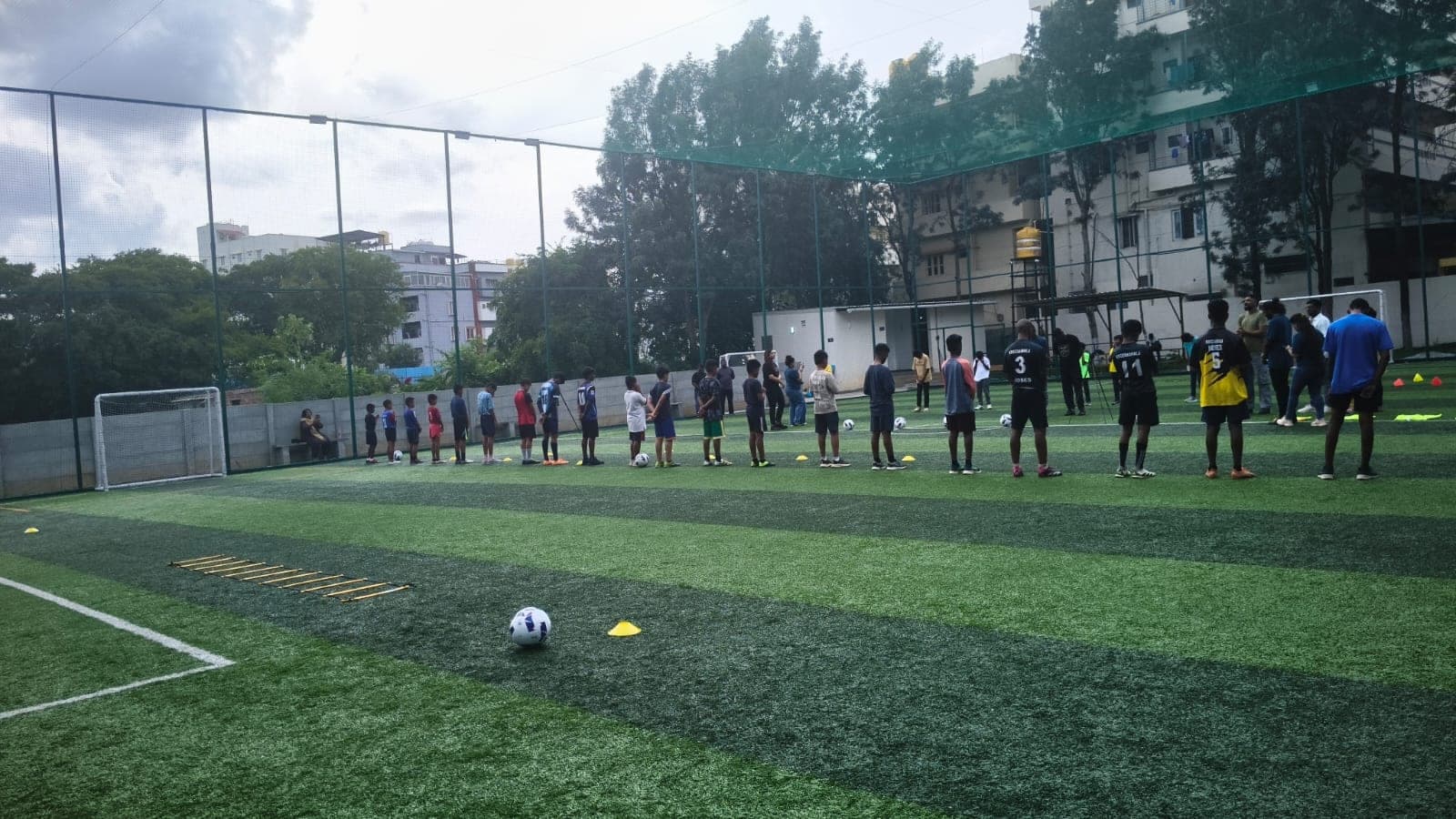
Coaching sessions on a full-size pitch. For some of them it is the best hour of the week.
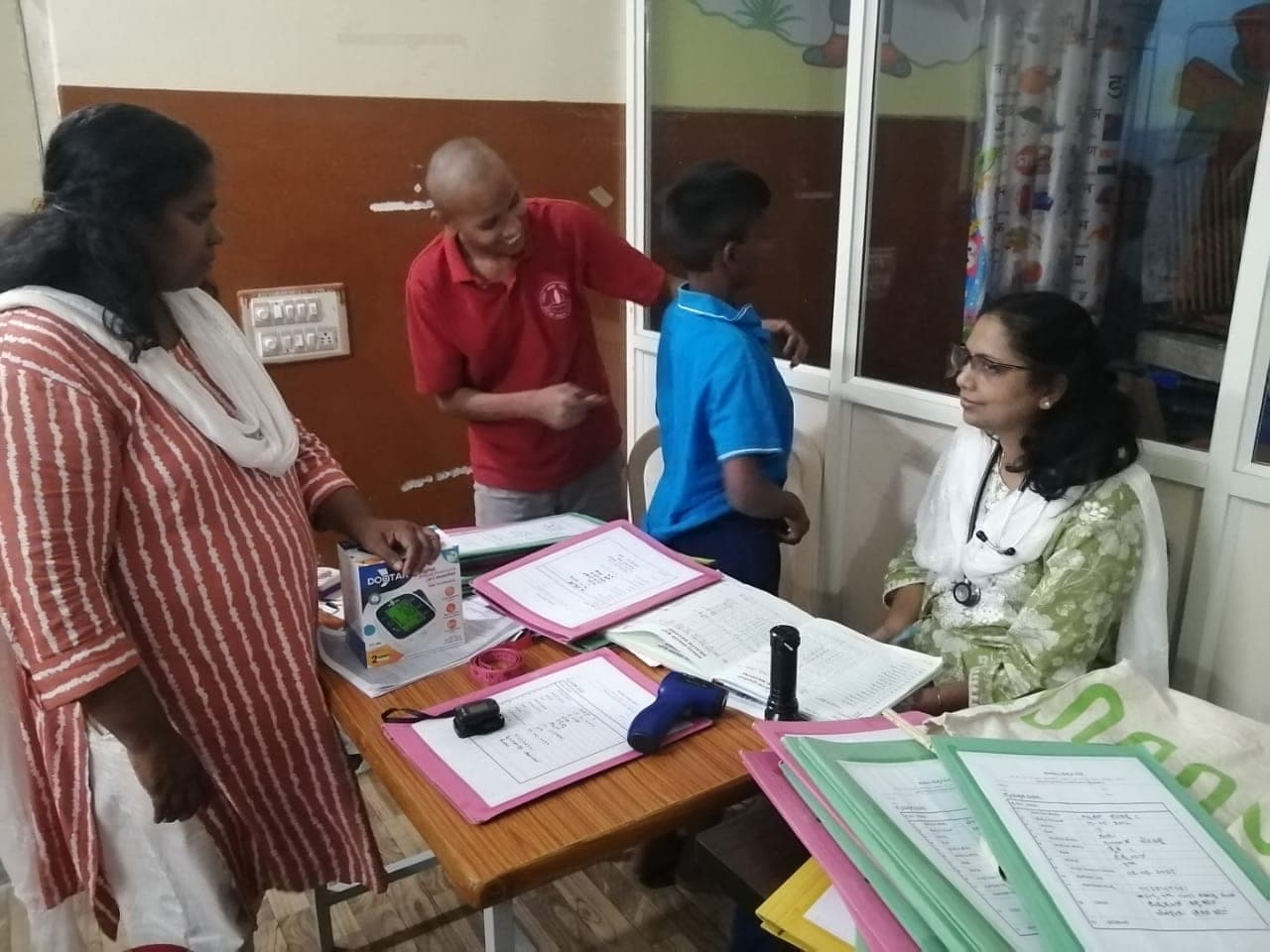
Regular check-up camps mean small problems are caught early, and nobody's health quietly slips.
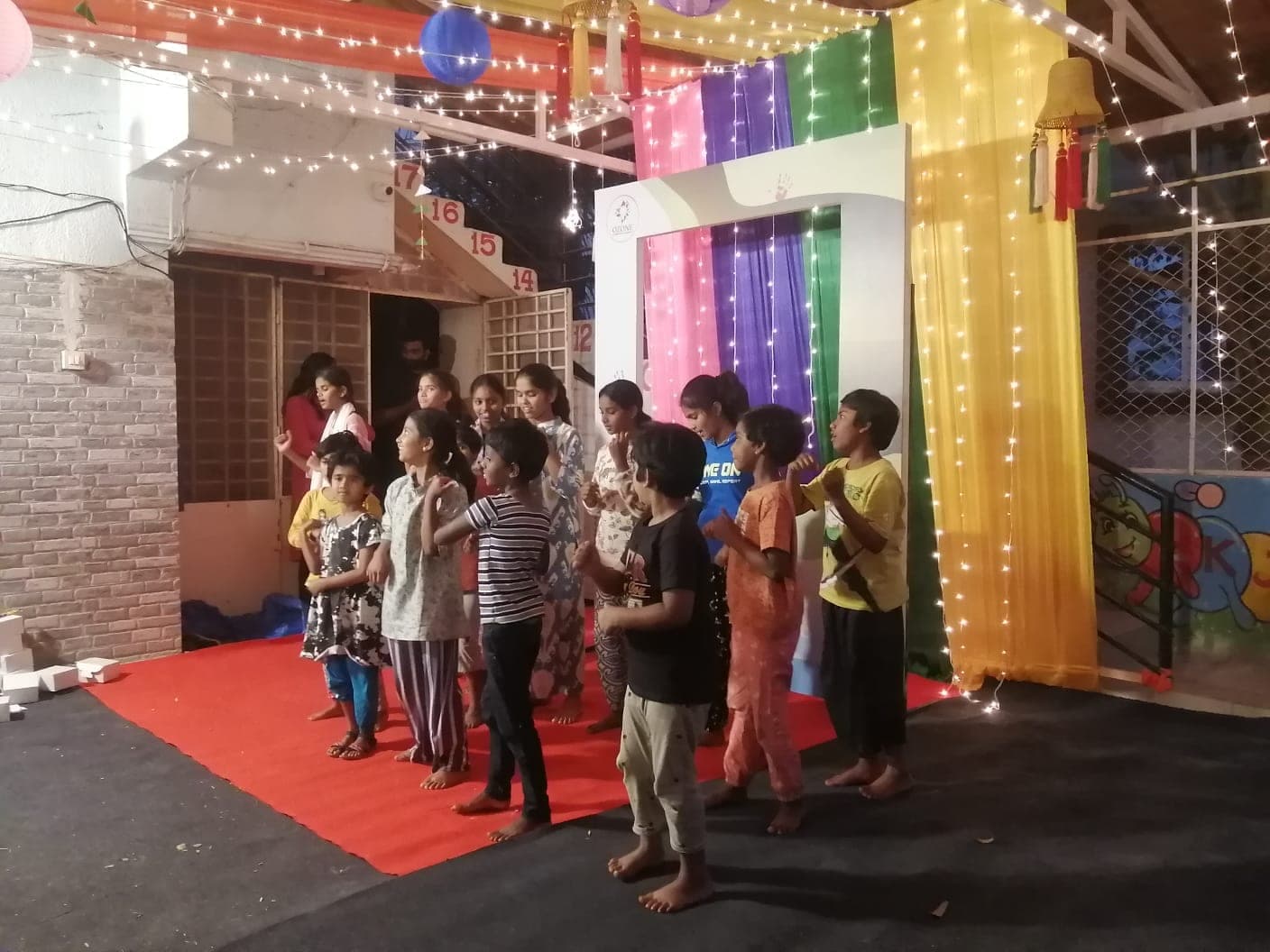
Independence Day, birthdays, festivals. Reasons to dress up, perform, and be applauded.
Six programmes, one aim: that a child who arrives here leaves with an education and somewhere to stand.
Residential care for thirty boys and girls, aged six to eighteen.
Fees, uniforms, books-and a bus that comes every morning.
Proper food, every day, prepared in our own kitchen.
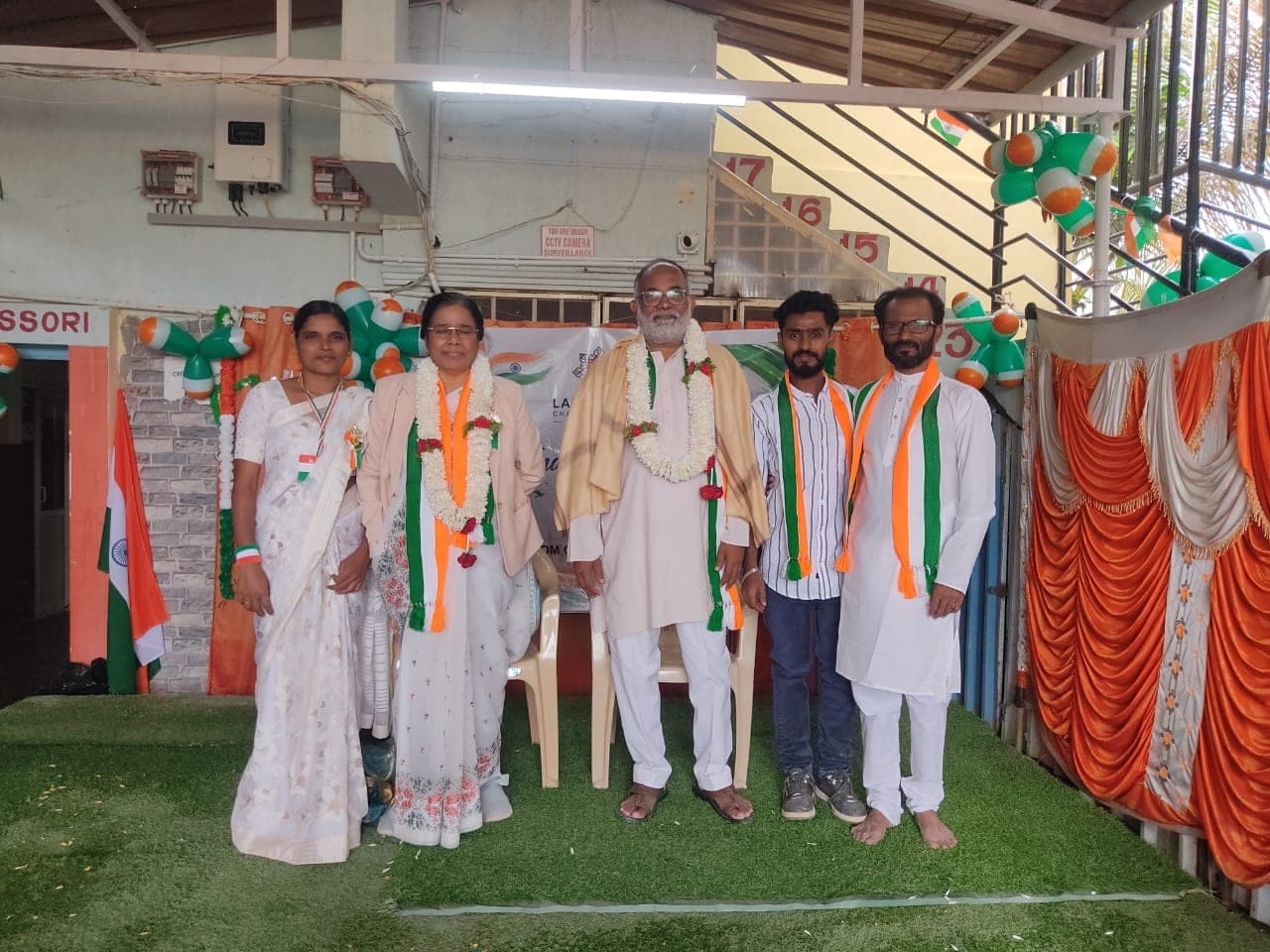
Our story
When Samuel P. G. arrived in Bangalore in 1978, he met children living on the street-hungry, unwell, and entirely on their own. He had nothing to give them at the time.
What he had instead was a conviction that would not leave him alone: that one day he would be the help those children needed. He made that promise quietly, and then spent decades keeping it.
Samuel P. G.-Founder
Read the whole storyWhen we asked the home what it needs most, the first answer was not a number. It was people-turning up, staying in touch, and telling someone else about this place.
The thing the home asks for most is not money. It is people who turn up.
Run a collection where you already are-at work, at college, or on your street.
Cover the cost of one child's schooling, meals and care through the year.
Contributions go to school fees, food, medical care and the village centres.